El Mencho Biography: Life, Rise, Criminal Status, Death, Legacy, and FAQ

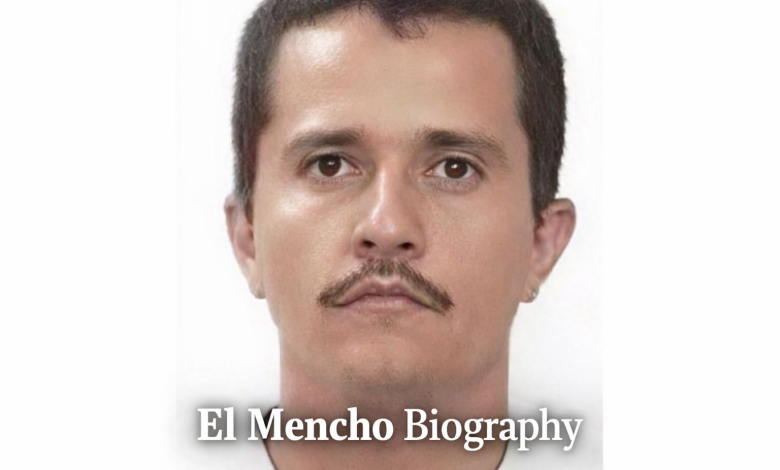
Nemesio Oseguera Cervantes, widely known as El Mencho, was one of the most feared crime figures in modern Mexico. He was born on July 17, 1966, in Aguililla, Michoacán. He grew up in a poor farming family and worked in the fields as a young boy. As a young man, he traveled to the United States. There, he became involved in drug trafficking and was later arrested and deported back to Mexico.
After returning to Mexico, he joined a criminal group and slowly rose through the ranks. He later founded the Cártel de Jalisco Nueva Generación, also known as CJNG. Under his command, the cartel expanded rapidly across many Mexican states and into other countries. The group became known for extreme violence and strong military style weapons. Authorities in Mexico and the United States listed him among the most wanted criminals in the world. His name became closely linked to the rise of cartel power and the intensification of Mexico’s drug war.
El Mencho Early Life
El Mencho was born on July 17, 1966, in Aguililla, Michoacán, Mexico. Aguililla is a small rural town known for farming and agriculture. He grew up in a large and poor family. His parents worked hard to provide food and basic needs for their children. Life in his community was simple and difficult. Many families depended on farming crops like corn and avocados to survive.
As a young boy, he helped his family in the fields. He did not have many opportunities for higher education. He attended school for a short time but left early to support his family. Economic hardship shaped much of his early life. Jobs were limited in his hometown. Many young men in the area looked for better opportunities outside the region.
In the 1980s, he left Mexico and traveled to the United States in search of work. During his time there, he became involved in illegal activities linked to drug distribution. He was arrested by U.S. authorities on drug related charges. After serving time in prison, he was deported back to Mexico in the early 1990s. His return to Mexico marked the beginning of his deeper involvement in organized crime, which later changed the direction of his life.
El Mencho Rise in Organised Crime
After returning to Mexico in the early 1990s, El Mencho began building connections in the criminal underworld. He first worked with local drug traffickers in Michoacán and Jalisco. Over time, he joined the Milenio Cartel, a powerful criminal group involved in drug smuggling. Within this organization, he learned how trafficking networks operated. He also built strong relationships with other members and gained experience in logistics and security.
As leaders of the Milenio Cartel were arrested or killed, internal conflicts grew inside the group. These events created power struggles. El Mencho took advantage of the instability. Around 2009, after major arrests weakened the Milenio Cartel, he helped form a new organization that would later become the Cártel de Jalisco Nueva Generación, also known as CJNG. The new cartel quickly gained attention for its bold and violent tactics.
Under his leadership, CJNG expanded across many regions of Mexico. The group fought rival cartels for control of territory and trafficking routes. It also developed strong international drug supply chains, especially for methamphetamine and cocaine. CJNG became known for using military style weapons and armored vehicles. The cartel released propaganda videos to show its strength and intimidate enemies.
Within a few years, CJNG grew into one of the most powerful criminal organizations in Mexico. Authorities in Mexico and the United States identified El Mencho as the main leader. He became one of the most wanted fugitives in the world. His rise in organized crime changed the balance of power among Mexican cartels and intensified violence in several regions of the country.
El Mencho Criminal Status and Charges
El Mencho was listed for many years as one of the most wanted criminals in the world. Authorities in Mexico and the United States accused him of leading a large drug trafficking organization. He was identified as the head of the Cártel de Jalisco Nueva Generación. This cartel was linked to the production and shipment of methamphetamine, cocaine, heroin, and fentanyl. Law enforcement agencies blamed the group for extreme violence and large scale drug distribution.
The U.S. Drug Enforcement Administration charged him with conspiracy to distribute controlled substances into the United States. U.S. federal courts also filed indictments against him for leading a continuing criminal enterprise. The U.S. Department of State announced a reward of up to 15 million dollars for information leading to his capture. Mexican authorities also issued multiple arrest warrants against him for organized crime, illegal possession of firearms, kidnapping, and homicide.
His cartel was accused of attacking police officers and military forces. The group was also linked to money laundering operations that moved millions of dollars across borders. Because of the scale of these crimes, both governments placed heavy pressure on capturing him. His criminal status remained active for years as security forces carried out repeated operations to locate and arrest him.
El Mencho Death and Instability
El Mencho was killed by the Mexican army and security forces on February 22, 2026 during a major operation in Tapalpa, Jalisco, Mexico. He was wounded in a gunfight with soldiers and later died while being transported to medical care. The operation was carried out by federal forces with help from intelligence agencies.
The news of his death spread quickly across Mexico. Almost immediately, members of the Cártel de Jalisco Nueva Generación reacted with violence. Cartel gunmen blocked roads with burning vehicles and set fire to cars, shops, and trucks in many areas, especially in Jalisco. Shootouts and explosions were reported as criminal groups fought back against security forces.
The sudden outbreak of violence caused chaos and fear among civilians. Schools were closed in some states. Many people were told to stay inside their homes for safety. Roadblocks and attacks took place in many states, showing how widespread the unrest was.
The government worked to restore order, clearing roadblocks and increasing military patrols. However, the situation showed that the cartel still had the ability to strike back. The death of El Mencho created a power vacuum and uncertainty about what comes next in Mexico’s ongoing fight against organized crime.
El Mencho Legacy
El Mencho left behind a powerful and controversial legacy. He transformed the Cártel de Jalisco Nueva Generación into one of the strongest criminal groups in Mexico. Under his control, the cartel expanded across many states. It built international drug routes. It used advanced weapons. It showed open defiance toward the government. His name became widely feared in many communities.
His leadership style was aggressive and strategic. He focused on rapid expansion and strong retaliation against rivals. This approach increased violence in several regions. Many towns experienced shootings, kidnappings, and forced displacement. Security forces were also targeted. At the same time, his cartel built deep networks that allowed it to survive strong government pressure. Even after his death, the organization remained active.
His legacy is linked to the rise of modern cartel power in Mexico. He symbolized a new generation of crime leaders who used media and military style tactics. For many people, his name represents fear and instability. For law enforcement agencies, he became a symbol of the ongoing struggle against organized crime. His life story remains closely connected to Mexico’s continuing battle with cartel violence.
Conclusion
El Mencho lived a life that moved from poverty in rural Mexico to the top of global organized crime. He built the Cártel de Jalisco Nueva Generación into one of the most powerful and violent cartels in the world. His actions shaped the direction of Mexico’s drug war and increased conflict in many regions. He was pursued by authorities for years and became one of the most wanted men internationally. His death marked the end of his leadership, but it did not end the violence connected to his organization. His story remains a strong example of how crime, power, and instability can deeply affect a nation.
Frequently Asked Questions (FAQ) About El Mencho
1. Who was El Mencho?
El Mencho was the alias of Nemesio Oseguera Cervantes. He was a Mexican crime leader. He led the Cártel de Jalisco Nueva Generación. He was considered one of the most powerful cartel bosses in Mexico.
2. When and where was he born?
He was born on July 17, 1966. His birthplace was Aguililla, Michoacán, Mexico. He grew up in a poor farming family.
3. How did he become powerful?
He joined the Milenio Cartel after returning from the United States. Later, he helped form CJNG around 2009. He expanded the cartel across many Mexican states. He built international drug networks.
4. What crimes was he accused of?
He was accused of drug trafficking, money laundering, illegal weapons possession, and organized crime. U.S. authorities charged him with conspiracy to distribute drugs. Mexico also issued several arrest warrants against him.
4. Was he on the most wanted list?
Yes. The United States government offered up to 15 million dollars for information leading to his capture. He was one of the most wanted men in the world.
5. When did he die?
He was killed in February 2026 during a Mexican military operation. His death caused violent reactions in several regions.
6. What is his legacy?
His legacy is linked to the rapid rise of CJNG. His leadership increased cartel power and violence in Mexico. His name remains connected to the modern history of organized crime in the country.
Read more:
- Luka Kimeli Biography: Life, Age, Career, Appointments and Legacy
- Alfredo Lim Jr Biography: Life, Education, Police Career, Political Career, Legacy and Death