Buti Manamela Biography, Career, Education, Personal Life, Net Worth, Age 2025, Early Life

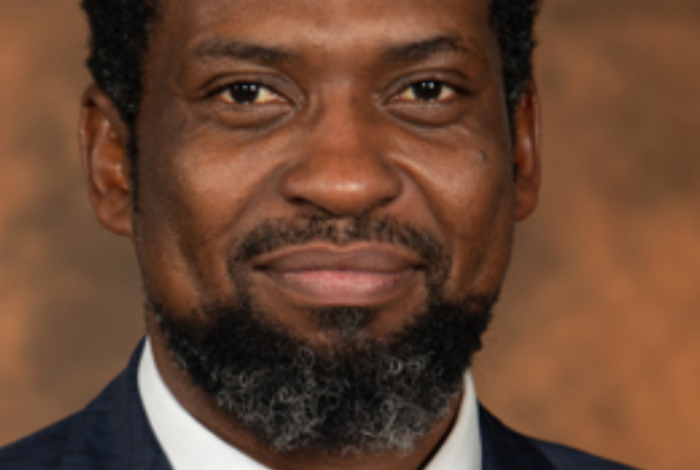
Buti Manamela Biography
Buti Manamela is a well known South African politician. He has worked hard in government for many years. Born on July 10, 1979, he grew up in a simple township. Today, he serves as the Minister of Higher Education and Training. This role started on July 21, 2025. Before that, he held other important jobs in the government.
His full name is Buti Kgwaridi Manamela. He belongs to the African National Congress, or ANC. He is also part of the South African Communist Party, or SACP. These groups have shaped his views on helping young people and improving education.
Buti Manamela Early Life and Education
Buti Manamela came from humble roots. He was born on July 10, 1979, in Phagameng township. This place is in Modimolle, Limpopo Province. Back then, it was called the Northern Transvaal. Life there was tough during apartheid times. Apartheid was a system that separated people by race until 1994.
As a child, he saw many challenges. His family lived in a poor area. But he stayed focused on learning. He went to Phagameng High School. There, he became the president of the student council. This showed his leadership skills early on.
In 1993, at age 14, he joined student groups. He became part of the Congress of South African Students, known as COSAS. He also joined the ANC Youth League. From 1994 to 1996, he served as branch secretary for the ANC Youth League. In 1995, he was the branch coordinator for COSAS.
These roles taught him about activism. Activism means working to change unfair things. In South Africa, students played a big part in ending apartheid. For example, the 1976 Soweto uprising started with school kids protesting bad education.
Manamela finished high school in 1997. He got his National Senior Certificate. Then, he studied at Mamelodi College. This is now called Tshwane North College. He worked toward a certificate in electronics engineering from 1998 to 2001.
At college, he stayed active. He was president of the student council from 1998 to 1999. He helped launch the South African Students Congress, or SASCO, at the school. Later, he became its provincial chairperson. In 2000, he rose to national deputy president of SASCO.
SASCO fights for better student rights. It connects to the ANC and SACP. Through this, Manamela learned about bigger political ideas.
He left college in 2001 without finishing the diploma. But he kept learning. From 2002 to 2003, he took labor courses with DITSELA. This group teaches about worker rights.
Later, he went back to school. In 2014, he got a post graduate diploma. Then, in 2017, he earned a Master’s degree in Public Policy from the University of the Witwatersrand. This school is in Johannesburg.
His education path shows determination. Many South Africans face barriers to learning. For instance, fees and transport costs are high. Manamela’s story encourages others to keep studying.
Limpopo Province has many rural areas. Education there often lacks resources. But leaders like him push for improvements. His background in technical education helps him value skills training.
Technical and Vocational Education and Training, or TVET, is key in South Africa. It teaches practical jobs like engineering. Enrollment in TVET grew from 300,000 in 2010 to over 700,000 by 2025. Manamela supports this growth.
His early life built a strong base. It prepared him for politics. Readers can see how starting small leads to big roles. This section educates on South Africa’s education history too.
Apartheid hurt black education. Schools had few books and poor buildings. After 1994, the government worked to fix this. Programs like free school meals help kids learn better.
Manamela’s involvement in student groups highlights youth power. Young people make up a large part of South Africa’s population. Over 35 percent are under 15 years old. Investing in them builds the future.
His age now is 46 years as of 2025. This makes him a bridge between old and new leaders. His education journey inspires many to pursue degrees despite obstacles.
Buti Manamela Career
Buti Manamela’s career started in unions. In 2001, he worked as an organizer for the South African Commercial, Catering and Allied Workers Union, or SACCAWU. He handled recruitment and negotiations. He also trained shop stewards on politics.
Unions in South Africa protect worker rights. They are linked to the ANC through COSATU. Manamela’s role there lasted until 2003.
In December 2003, he became national secretary of the Young Communist League of South Africa, or YCLSA. This was its first launch after apartheid. He held this job until December 2014.
Under him, the YCL supported Jacob Zuma. They defended Zuma during his corruption charges and rape trial in 2006. They criticized President Thabo Mbeki for firing Zuma as deputy in 2005.
The YCL pushes leftist ideas like equality. Manamela led campaigns against inequality. South Africa has high poverty rates. About 55 percent live below the poverty line as of 2025.
In 2008, he faced a small issue at Heathrow Airport in London. He was held for six hours during checks. The YCL called it harsh treatment.
In the 2009 election, he joined the National Assembly as an ANC member. He served on committees for communications, economic development, and labor. From 2011, he was the ANC whip for the labor committee.
A whip helps party members vote together. He also led Mandela Day efforts. This day honors Nelson Mandela on July 18.
In 2010, he won re election as YCL secretary. The congress in Mafikeng had debates, but he stayed in charge.
In July 2012, he joined the SACP Central Committee. He got re elected in 2017 and 2022. Since 2022, he is assistant secretary for internal media.
In the 2014 election, he ranked 28th on the ANC list. President Jacob Zuma made him Deputy Minister in the Presidency on May 26, 2014. He handled planning, monitoring, evaluation, and youth development.
This role involved the National Planning Commission. It makes long term plans for South Africa.
In October 2017, Zuma reshuffled the cabinet. Manamela became Deputy Minister of Higher Education and Training on October 17, 2017.
After the 2019 election, President Cyril Ramaphosa kept him in that role. The ministry added science and innovation.
On June 30, 2024, he stayed deputy under a new structure.
Then, on July 21, 2025, he became full Minister of Higher Education and Training. This followed Nobuhle Nkabane’s resignation.
As minister, he oversees universities and TVET colleges. He focuses on youth skills. For example, he welcomed a probe into fake degrees at Vaal University of Technology on December 10, 2025.
In August 2025, he asked for an investigation into his own appointments to Sector Education and Training Authorities, or SETAs. SETAs train workers in different fields.
His career shows steady rise. He went from union work to minister. This educates readers on government levels in South Africa.
The National Assembly makes laws. Ministers run departments. Deputy ministers help them.
Manamela’s ANC role grew too. In December 2022, he joined the National Executive Committee. He ranked 22nd with 1,503 votes.
The NEC guides the ANC. It’s elected every five years.
His SACP ties show his leftist views. The SACP allies with the ANC.
In parliament, he spoke on economic justice. He joined the ACP EU Joint Assembly. This group discusses trade between Africa, Caribbean, Pacific, and Europe.
His statements there supported democracy and peace.
Manamela’s career highlights public service. It teaches how politics connects to daily life. For instance, education policies affect job chances.
South Africa’s unemployment is about 32 percent in 2025. His work aims to lower that through training.
Readers can learn from his path. Starting in student groups led to high office. This encourages civic involvement.
Buti Manamela Personal Life
Buti Manamela keeps his personal life private. He is married to Nomvuyo Mhlakaza Manamela. She is also a politician. She serves as Deputy Speaker in the Gauteng Provincial Legislature.
Nomvuyo works in human resources too. The couple has two children. They balance family with busy jobs.
In 2018, Manamela ran the Comrades Marathon. This is a famous ultra marathon in South Africa. It covers about 90 kilometers.
Running shows his discipline. Many leaders stay fit to handle stress.
His wife faced a court case in 2024. She was accused of assault but found not guilty on March 18, 2024.
The family lives in South Africa. They value privacy amid public roles.
Personal life affects leaders. Balancing work and home is key. In South Africa, politicians often face scrutiny.
Manamela’s story shows family support matters. His wife shares his activist background.
This section educates on work life balance. Many South Africans juggle jobs and family.
Politics can strain relationships. But strong bonds help.
Readers learn that leaders are people too. They have kids and hobbies like running.
Buti Manamela Achievements
Buti Manamela has many successes. Here is a list of key ones:
Led the Young Communist League as national secretary from December 2003 to December 2014. He helped relaunch it and supported youth causes.
Elected to the ANC National Executive Committee in December 2022. Ranked 22nd, showing party trust.
Joined the SACP Central Committee in July 2012. Re elected in 2017 and 2022. Now handles media.
Served as Deputy Minister in the Presidency from May 26, 2014, to October 16, 2017. Focused on youth and planning.
Became Deputy Minister of Higher Education from October 17, 2017, to July 21, 2025.
Appointed Minister of Higher Education and Training on July 21, 2025.
Completed Master’s degree in 2017 despite early setbacks.
Recognized in Mail and Guardian’s 200 Young South Africans in 2009 and 2010.
Led Mandela Day as volunteer in chief.
Supported TVET growth. Enrollment rose under his watch.
Championed worker rights in SACCAWU from 2001 to 2003.
Advocated for economic justice in international forums.
These achievements show his impact. He helped shape policies for youth.
In education, he pushes for skills training. This helps reduce unemployment.
His leadership in YCL built a strong youth voice. The group campaigned on poverty.
Awards like the Mail and Guardian list highlight young talent.
As minister, he oversees NSFAS. This aids poor students with fees.
NSFAS funded over 1 million students in 2025.
His work educates on government roles. Achievements come from dedication.
Readers can see how one person influences many.
Buti Manamela Controversies
Buti Manamela has faced some issues. Here is a list of noted ones:
Supported Jacob Zuma strongly through YCL. Defended him in 2005 to 2008 during trials. This caused tensions with some SACP members like Blade Nzimande in 2017.
Detained at Heathrow Airport on June 2008. Held for six hours on immigration checks. YCL called it unfair.
Faced rivalries in YCL. In 2010, congress had debates. Some saw him as too close to Nzimande.
In August 2025, backlash over SETA appointments. Critics said some picks were ANC loyalists. He asked the Public Service Commission to investigate on August 22, 2025.
DA party accused him of unfit appointments on August 20, 2025. They wanted parliament review.
In October 2025, more claims on SETA boards. Alleged ties to past scandals.
Welcomed probe into degree fraud at Vaal University on December 10, 2025. This was not his fault but under his ministry.
These are based on reports. No major convictions.
Controversies happen in politics. They teach about accountability.
South Africa fights corruption. Probes help keep things fair.
Manamela’s response to SETA issue shows willingness to check facts.
Readers learn that leaders face criticism. Facts matter over rumors.
Buti Manamela Net Worth
Buti Manamela’s net worth is not publicly shared. Public officials in South Africa disclose assets to parliament, but details stay private.
Estimates from online sources vary. Some say between 2 million and 15 million US dollars as of 2025. Others guess around 2 million.
These are not official. They base on his minister salary. Ministers earn about 2.5 million rand yearly, or roughly 140,000 US dollars.
No wealth scandals noted. He lives modestly as a public servant.
Net worth educates on politician finances. Laws require transparency to prevent corruption.
Readers should check reliable sources. Speculation can mislead.
Conclusion
Buti Manamela’s life is a story of growth. From a township boy to minister, he shows what is possible. His focus on education and youth helps South Africa.
As of December 18, 2025, he leads higher education. His policies aim for better skills and jobs.
His legacy bridges past struggles and future hopes. He inspires young people to get involved.
South Africa needs such leaders. They build on democracy since 1994.
This biography teaches about politics, education, and perseverance. Readers can apply these lessons.
Manamela’s journey encourages civic action. It adds value by explaining complex topics simply.
FAQs
Who is Buti Manamela?
He is South Africa’s Minister of Higher Education and Training since July 21, 2025. He is an ANC and SACP member.
How old is Buti Manamela? He is 46 years old, born on July 10, 1979.
Who is Buti Manamela’s wife?
His wife is Nomvuyo Mhlakaza Manamela, a politician and Deputy Speaker in Gauteng.
What is Buti Manamela’s career?
He started in unions, led YCL, served in parliament since 2009, and held deputy minister roles before becoming minister.
What is Buti Manamela’s net worth?
Not publicly known, but estimates range from 2 million to 15 million US dollars based on salary.
What are Buti Manamela’s contact details?
Official email is kmanamela@parliament.gov.za. Twitter is @ButiManamela. Use government sites for more.